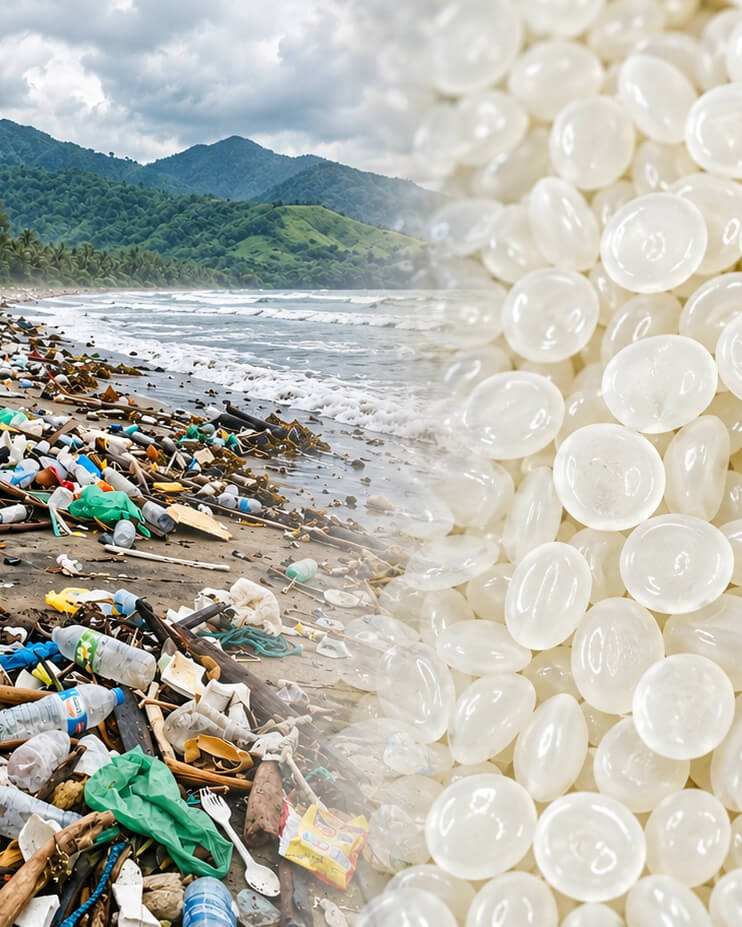
For manufacturers dealing with recycled content, material circularity and auditable material origin, we supply high-quality 100% PCR granulates (Post-Consumer Recycled). They are suitable for films, packaging applications and industrial technical parts, depending on the requirements of the specific application.
“We are very satisfied with ekolive … there is a difference… we have many new and healthy leaves … the whole field looks good, but where we applied ekofertile® plant, it is about 30 % better and the strawberries recover faster.”
Farmer
The Berryshed, Kiambu/Kenya
Trusted by manufacturers and industry partners
SOLUTION
PCR materials built for real production
Using recycled content is only one part of the challenge. Manufacturers also need consistent quality, reliable supply and clear documentation of origin.
Our PCR portfolio combines practical production use with traceability, supply stability and material consistency.
Key polymers for your production
The portfolio includes rPE (HDPE, LDPE, LLDPE), rPP, rPET and rPA6. We focus on supply stability, homogeneity and practical use of recycled plastic granulates in existing production processes.
Premium Ocean-Bound plastics
Materials sourced from areas at risk of plastic leakage into the sea for projects that want to combine recycled content with a clearly communicable environmental story.
Track & Trace – full traceability
For selected solutions, origin traceability and certification documentation are available to support ESG reporting, internal audits and communication of recycled content.
“We are very satisfied with ekolive … there is a difference… we have many new and healthy leaves … the whole field looks good, but where we applied ekofertile® plant, it is about 30 % better and the strawberries recover faster.”
Farmer
The Berryshed, Kiambu/Kenya
“ekofertile® plant helps against powdery mildew.”
Fritz Boss
Erdbeer-Boss, Germany
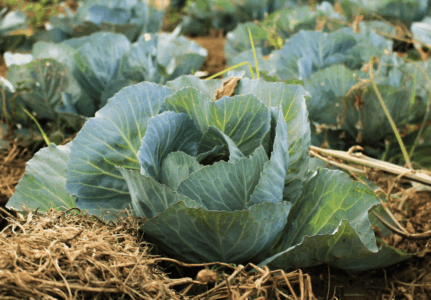
“Cabbage plants treated with microfertile and ekofertile showed good growth and higher yield compared with untreated plants. We are satisfied with the use of these sustainable products and with the cooperation in general.”
Milorad Ilić
Farmer, Serbia
“In our measurements, we observed only positive effects. The strawberries had significantly richer leaves and the root system increased. Fruit size increased significantly, and yield also increased. Expansion of the root system was visible after just one application.”
Moje Jahody
Slovakia
“As for microfertile®, I am very satisfied. The treated grains have strong stems, are beautifully green and healthy, and farmers noticed it as well. We also use it on maize because spring is a bit cold, maize needs warmth…it has significantly “taken off” and everyone is satisfied.”
Evelina Marinova
Leader Consulting, Bulgaria
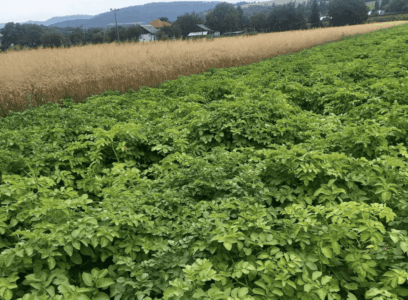
“ekofertile® pays off! Same climate, same soil conditions in both fields, but the difference is clear. Last year we applied it twice and the potato yield was approximately 25% higher than usual. We are clearly satisfied with ekofertile and can only recommend it.”
Marian Rimsky
Farmer, Slovakia
FAQ
Frequently asked questions
Do we need to modify injection moulding machines when switching to your biomaterials?
Selected blends offer high thermal and mechanical resistance, while properties can be adapted from rigid applications to more flexible solutions according to the project type.
What is the difference between a bioplastic and a biopolymer?
A biopolymer is a polymer of biological origin. Bioplastic is a broader term – it can be bio-based, biodegradable or both. Therefore, it is always important to distinguish the material origin, properties and end-of-life pathway.
What is the difference between compostable BP blends and drop-in bio-plastics?
BP blends are designed for projects where compostability or another specific end-of-life pathway is decisive. Drop-in Bio-PP, Bio-PE and Bio-PET are bio-based materials chemically close to their fossil equivalents and are recycled in existing streams according to polymer type.
Are bioplastics suitable for reuse and industrial dishwashers?
Yes, for selected materials. However, suitability always depends on the specific application, product thickness, thermal load and operating conditions.
How will PCR materials help us with packaging and ESG goals?
PCR materials help increase the share of recycled content in products while supporting communication of circularity, traceability and more responsible material sourcing.
What do you do besides biomaterials and PCR?
In addition to materials, we also focus on biostimulants and biofertilizers for agriculture. This is a separate line focused on supporting soil, plants and reducing dependence on synthetic fertilizers.
How to choose between a compostable material, a material from renewable raw materials and a PCR material?
It depends on the product, technology, target market, required properties, price and whether you are looking for a bioplastic, bio-based plastic, PCR granulate or compostable material for a specific application. That is why we first evaluate the application for each project and only then recommend a specific material.
CONTACT
Looking for the right PCR material?
Tell us about your application, processing technology and target recycled content.
We’ll help you identify suitable 100% PCR materials from our portfolio based on your production requirements.
Test selected materials in your process and move to regular supply once the right solution is validated.