









Biostimulants
Biostimulants for stronger plants and healthier soil
A bio-technological solution for soil regeneration and increased yields that brings life back where it has been lost and gives plants strength from root to fruit.
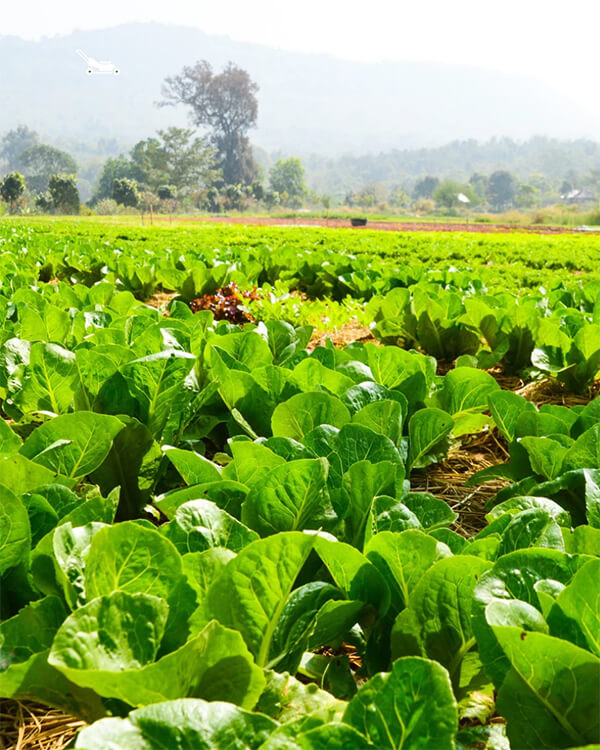
“We are very satisfied with ekolive … there is a difference… we have many new and healthy leaves … the whole field looks good, but where we applied ekofertile® plant, it is about 30 % better and the strawberries recover faster.”
Trusted by manufacturers and industry partners




What can Ekolive biofertilizers help you with?
Ekolive biofertilizers support both plant vitality and soil health. They help improve nutrient uptake, strengthen natural resilience and support more stable growth even under challenging conditions.
- Stronger and more resilient plants
- Higher yields without synthetic chemicals
- Better root development and nutrient uptake
- Greater resistance to drought, heat and cold
- Lower input costs and higher profitability
- Soil regeneration and restoration of the microbiome
How Ekolive fertilizers work
Our Ekolive Biofertilizers use the patented InnoBioTech® technology, which accelerates and perfectly replicates the natural process of biological mineral weathering (bioleaching).
Natural minerals provide the nutrient source
Minerals contain valuable nutrients that support plant growth and soil fertility.
Microorganisms activate the natural process
The technology helps microorganisms release nutrients from minerals and transform them into forms that plants can absorb more easily.
Nutrients become easier for plants to absorb
Released nutrients are transformed into forms that plants can use more efficiently. Beneficial metabolites, probiotics and microorganisms are also created during the process.
Plants and soil benefit together
Plants gain better access to nutrients, while the soil microbiome is supported and conditions for root development improve.
What do our biofertilizers do in the plant and soil?
Plant
Nutrient uptake and growth
They help the plant work more efficiently
with nutrients and energy, which is reflected in growth and condition.
Resistance
Stresses and regeneration
They strengthen the plant’s natural defence so it can better handle drought, heat, cold or pathogen pressure.
Soil
Microbiome and fertility
They support the activity of beneficial
microorganisms and improve
conditions for the root.
Choose the right support for your crop
- In practice, combinations according to the phase of growth and stress are also often used.
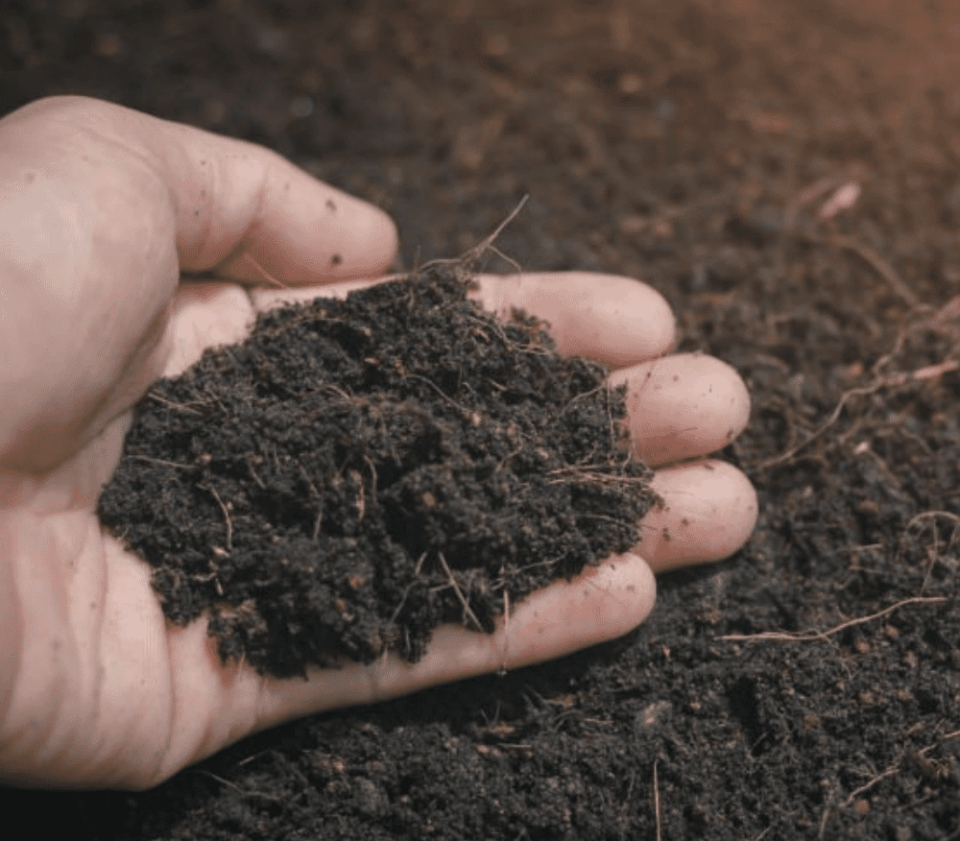
When you want stronger roots, more stable yield and resistance.
Focused on soil, root and overall vitality. Suitable when you want to “build a foundation” for the plant and reduce fluctuations.
- Root system and regeneration.
- More efficient nutrient uptake.
- Resistance to stress and pathogens.
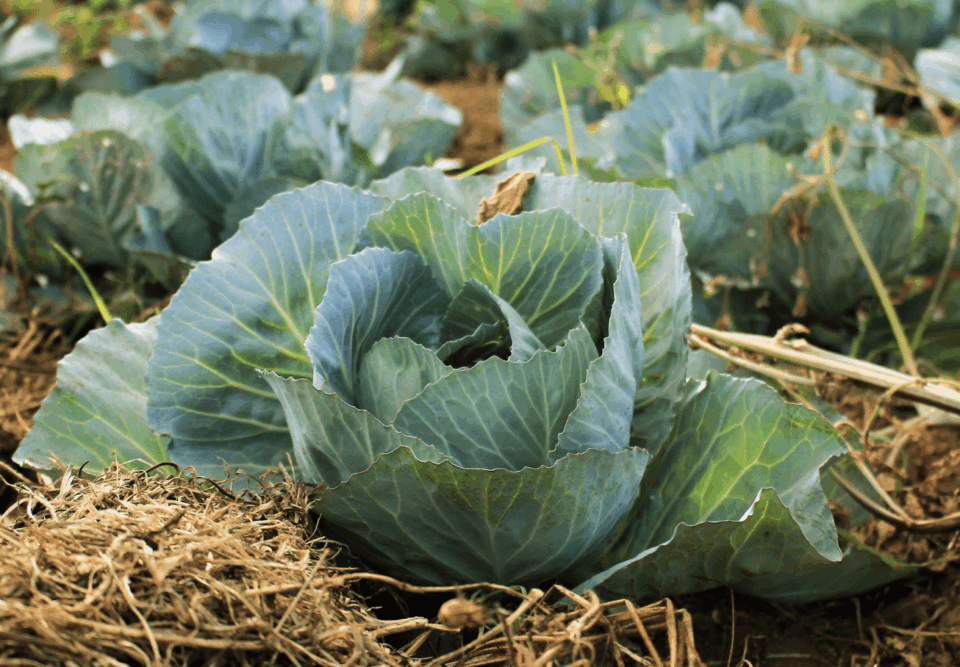
When you want to support photosynthesis, green mass and condition in cold weather
Focused on leaf, photosynthesis and fast plant condition. Suitable for colder periods and when you need to “kick” vegetative growth.
- Photosynthesis and chlorophyll.
- Biomass / green mass.
- Condition during cold and frost.
What our customers say
“We are very satisfied with ekolive … there is a difference… we have many new and healthy leaves … the whole field looks good, but where we applied ekofertile® plant, it is about 30 % better and the strawberries recover faster.”

- The Berryshed, Kiambu/Kenya
“ekofertile® plant helps against powdery mildew.”

- Erdbeer-Boss, Germany
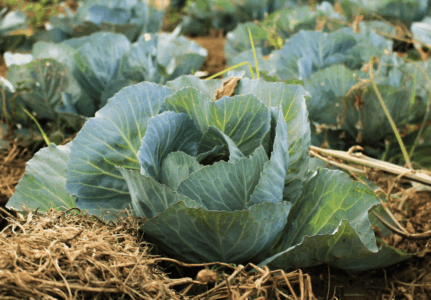
“Cabbage plants treated with microfertile and ekofertile showed good growth and higher yield compared with untreated plants. We are satisfied with the use of these sustainable products and with the cooperation in general.”
- Farmer, Serbia
“In our measurements, we observed only positive effects. The strawberries had significantly richer leaves and the root system increased. Fruit size increased significantly, and yield also increased. Expansion of the root system was visible after just one application.”

- Slovakia
“As for microfertile®, I am very satisfied. The treated grains have strong stems, are beautifully green and healthy, and farmers noticed it as well. We also use it on maize because spring is a bit cold, maize needs warmth…it has significantly “taken off” and everyone is satisfied.”
- Leader Consulting, Bulgaria
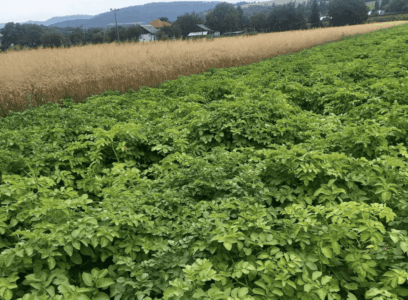
“ekofertile® pays off! Same climate, same soil conditions in both fields, but the difference is clear. Last year we applied it twice and the potato yield was approximately 25% higher than usual. We are clearly satisfied with ekofertile and can only recommend it.”
- Farmer, Slovakia
For which crops and plants are ekolive fertilizers suitable?
Fruit
apples, pears, peaches, strawberries, berries
Vegetables
pepper, tomato, cucumber, cabbage, potato, salad
Cereals and oilseeds
wheat, maize, rapeseed, sunflower
Vines and vineyards
higher BRIX = better wine
Tree and perennial crops, forest seedlings
... and many other crops
Real results from practice
We collect measurable results from practice and from testing – yield, vitality, quality, efficiency of water use and plants’ response to stress.
Real results come from cultivation practice (EU).
| Effect | Average improvement | Real results |
|---|---|---|
| Yield increase | +15 – 60 % | Suitable for berries, cereals, vineyards, vegetables, greenhouse crops and other crops. |
| Higher sugar content (BRIX) | +10 – 25 % | Sweeter fruit, fuller-bodied wine. |
| Improved plant immunity | +20 – 50 % | Fewer diseases, stronger roots. |
| Fewer chemical fertilizers | -30 – 100 % | Lower costs, better soil. |
| Higher microbial activity | +15 – 35 % | The soil becomes a “living organism”. |
| Better soil water retention | +15 – 25 % | Plants tolerate drought and heat better. |
Tested across crops. Proven in practice.
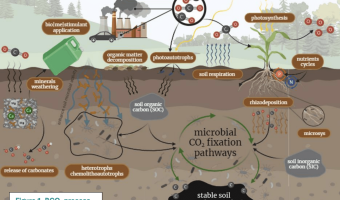
Biological carbon fixation trials
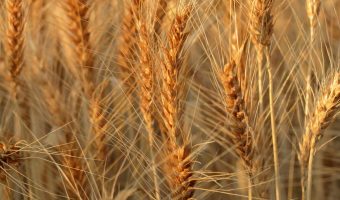

Research “Effect of biostimulant on chlorophyll pigments of wheat, water use efficiency and productivity”
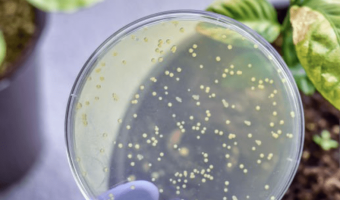

Assessment of the antimicrobial potential of ekolive solutions
Why biofertilizers with us?
Plants resist stress and diseases
Frost, drought, heat – the plants remain active, the yield does not decrease.
Diseases: Gray mold (Botrytis cinerea), Rose blight (Erwinia amylovora), Bacterial spot (Pectobacterium carotovorum), Golden yellowing (Flavescence dorée) and more…
Taste and quality
Higher BRIX = more sugar, better taste, longer shelf life.
Wine gains a fuller aroma, fruit and vegetables gain higher market value.
Lower inputs, higher profit
Fertilizer savings of 30-60%, cost reduction by 20% and higher yield by 15-60%.
Soil as a partner
Our solution strengthens the soil microbiome (+25 % microorganisms) and increases organic carbon (+35 %).
Living soil = stable yield.
Certifications and awards
Certifications:
- Certified according to EU Regulation (EU 2019/1009)
- Verified by ETV (European Environmental Technology Verification)
- Suitable for organic, regenerative and conventional agriculture
- GMO-free, free from synthetic chemicals, free from heavy metals
Awards:
- Feike Sijbesma Sustainable Innovation Award - Wageningen University
- Technology Innovator Awards 2024 - Most Innovative Bioleaching Technology Company Europe
- Women in Agrifood / CERES Awards
- Golden Sickle 2023 – award of the Ministry of Agriculture of the Slovak Republic
- BASF Innovation Hub 2022 – Grand Finals winner


Frequently asked questions
Do we need to modify injection moulding machines when switching to your biomaterials?
Selected blends offer high thermal and mechanical resistance, while properties can be adapted from rigid applications to more flexible solutions according to the project type.
What is the difference between a bioplastic and a biopolymer?
A biopolymer is a polymer of biological origin. Bioplastic is a broader term – it can be bio-based, biodegradable or both. Therefore, it is always important to distinguish the material origin, properties and end-of-life pathway.
What is the difference between compostable BP blends and drop-in bio-plastics?
BP blends are designed for projects where compostability or another specific end-of-life pathway is decisive. Drop-in Bio-PP, Bio-PE and Bio-PET are bio-based materials chemically close to their fossil equivalents and are recycled in existing streams according to polymer type.
Are bioplastics suitable for reuse and industrial dishwashers?
Yes, for selected materials. However, suitability always depends on the specific application, product thickness, thermal load and operating conditions.
How will PCR materials help us with packaging and ESG goals?
PCR materials help increase the share of recycled content in products while supporting communication of circularity, traceability and more responsible material sourcing.
What do you do besides biomaterials and PCR?
In addition to materials, we also focus on biostimulants and biofertilizers for agriculture. This is a separate line focused on supporting soil, plants and reducing dependence on synthetic fertilizers.
How to choose between a compostable material, a material from renewable raw materials and a PCR material?
It depends on the product, technology, target market, required properties, price and whether you are looking for a bioplastic, bio-based plastic, PCR granulate or compostable material for a specific application. That is why we first evaluate the application for each project and only then recommend a specific material.
Start changing your soil this season
- Reduce chemicals. Increase yield. Stabilize your soil.
- Achieve long-term better fruit quality and higher market value.
- Start with ekolive® biofertilizers.